Visual Diagnosis Without Excavation
Sewer Camera Inspection in Saint Petersburg for identifying blockages, cracks, and root intrusion without digging
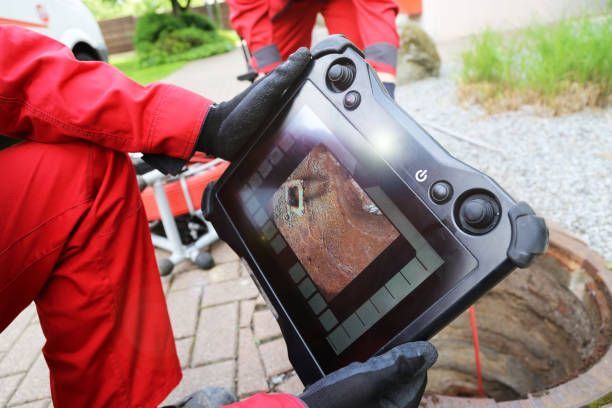
Recurring drain backups, slow-clearing fixtures, or sewage odors often stem from problems hidden inside underground pipes where visual inspection is impossible without excavation. A waterproof camera mounted on a flexible cable travels through the line, transmitting real-time video that reveals blockages, pipe deterioration, root penetration, or structural failures at specific depths and locations. IronLadd Plumbing LLC performs sewer camera inspections in Saint Petersburg, pinpointing issues so repairs target the actual problem rather than guessing based on symptoms alone.
The camera feeds through cleanout access points or drain openings, advancing through the pipe while recording footage that shows interior conditions, connection points, and any obstructions or damage. A transmitter in the camera head allows technicians to mark the exact location aboveground where problems exist, eliminating unnecessary digging and reducing repair costs.
Request a camera inspection when drain issues persist after conventional clearing or before purchasing property with older sewer infrastructure.
What Camera Inspection Reveals
Camera footage shows whether pipes are blocked by grease accumulation, root masses, or collapsed sections, and it reveals cracks, joint separation, or corrosion that allows soil infiltration and wastewater leakage. The inspection identifies pipe material, diameter changes, and offset joints that create turbulence and trap debris, along with low spots where standing water indicates improper slope.
After the inspection, you receive clear documentation of what exists inside your sewer line, with footage showing the exact nature and location of any defects. This allows contractors to provide accurate repair estimates, select appropriate methods, and complete work without exploratory digging that damages landscaping unnecessarily across your property.
Inspections also confirm whether pipes are clear after cleaning or repair work, verify that root cutting removed all intrusion, and provide baseline documentation for properties with aging sewer systems that may require future monitoring. The process takes under an hour for most residential lines and requires no demolition or landscape disruption.
What Property Owners Usually Ask
Questions about sewer camera inspections typically focus on what the process reveals and when it makes sense to use this diagnostic method.
When should I request a camera inspection instead of just snaking the drain?
If backups recur after mechanical clearing, if you notice sewage odors without obvious blockages, or if you're experiencing foundation settling that may have damaged underground pipes, camera inspection identifies root causes that cable clearing cannot address.
What problems does the camera detect that other methods miss?
Cameras reveal cracks, joint separation, pipe corrosion, belly sections where water pools, root intrusion points, and transition connections between different pipe materials that create failure points along the line.
How deep can the camera inspect, and does it work on all pipe types?
Most residential camera systems inspect lines up to three hundred feet deep and work on cast iron, clay, PVC, and ABS pipes ranging from two to ten inches in diameter.
Why is locating the problem aboveground important?
The transmitter allows technicians to mark exactly where damage occurs in Saint Petersburg properties, so excavation or trenchless repair targets only the affected section rather than exposing the entire line to find the fault.
Will the inspection damage my pipes or landscaping?
The camera is non-invasive, traveling through existing cleanouts or drain openings without cutting or digging, and it leaves no marks or damage to the pipe interior or surrounding property.
IronLadd Plumbing LLC uses camera inspection to provide transparent diagnosis with visual evidence you can review before committing to repair work. Schedule an inspection when drain problems persist or when evaluating older sewer lines for potential issues.