Switch to On-Demand Hot Water Systems
Tankless Water Heater Installation in St. Petersburg for endless hot water and reduced energy consumption
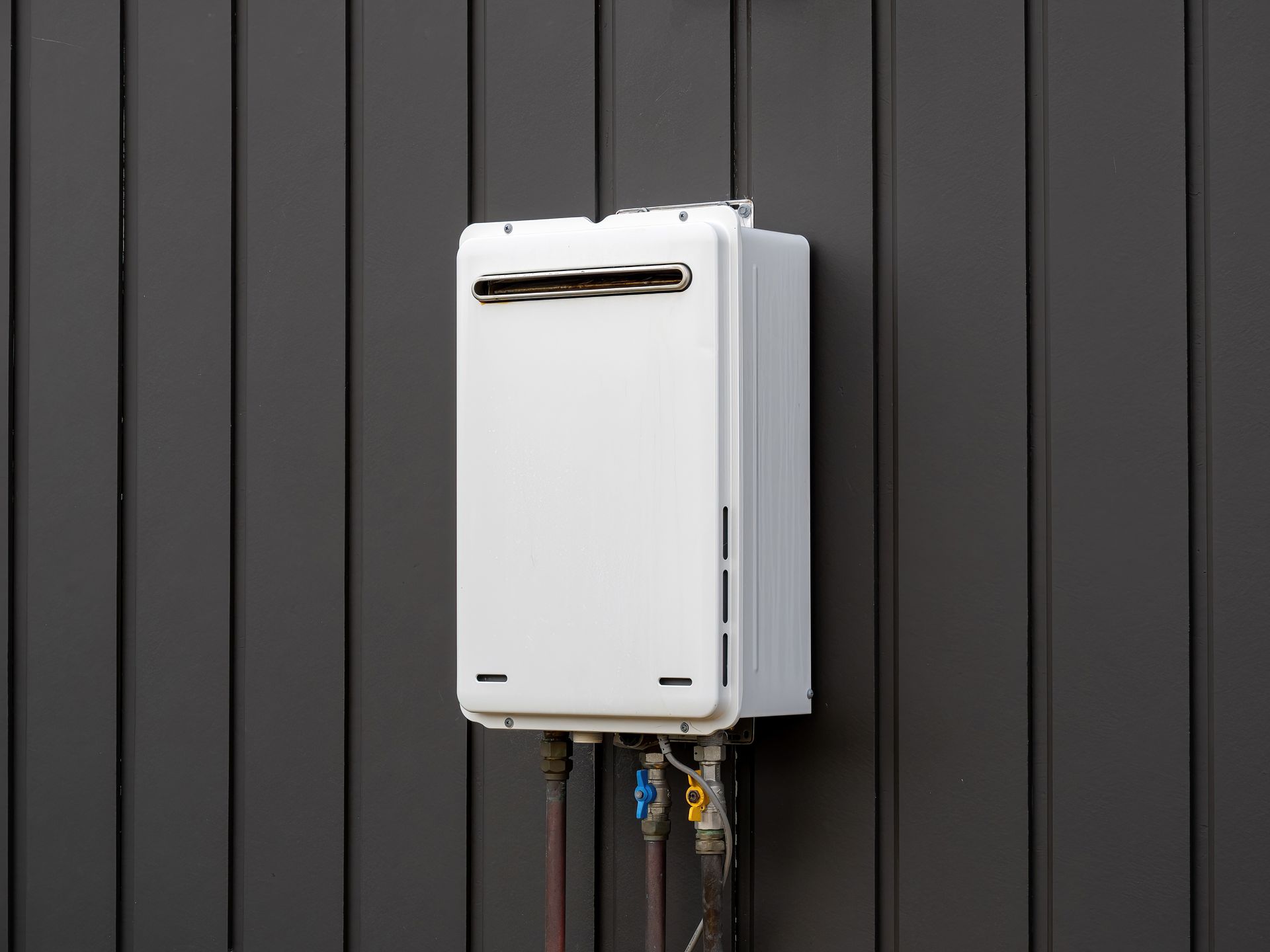
IronLadd Plumbing LLC installs tankless water heating systems in St. Petersburg when you want to eliminate the storage tank, gain endless hot water capacity, and reduce energy costs over the life of the equipment. You consider this upgrade when your traditional tank-style heater fails, when you run out of hot water during showers or laundry, or when you remodel and want to reclaim space occupied by a large tank. Tankless units heat water only when a tap opens, delivering a continuous supply without standby energy loss.
Installation begins with evaluating your home's hot water demand, fuel type, and venting requirements. Gas-fired tankless heaters require adequate combustion air and sealed venting, while electric models demand sufficient amperage and may require panel upgrades. The existing water heater is removed, and supply and return lines are reconfigured to match the new unit's connections. In Florida's climate, incoming water temperatures remain relatively warm year-round, allowing smaller units to meet household demand more easily than in colder regions. Once installed, the system delivers hot water within seconds of opening a fixture, maintaining set temperature regardless of flow rate.
Schedule a consultation with IronLadd Plumbing LLC if you are ready to upgrade to tankless water heating in your St. Petersburg home or commercial property.
Why Tankless Water Heaters Suit Modern Homes
You choose tankless water heating for performance, efficiency, and space savings. Traditional storage tanks heat and reheat forty to fifty gallons continuously, wasting energy even when no one uses hot water. Tanks also limit capacity, leaving households without hot water when demand exceeds storage. Tankless systems eliminate these constraints by heating water on demand using high-output burners or heating elements.
After IronLadd Plumbing LLC completes installation, you notice hot water arriving at fixtures without the delay of waiting for a tank to refill and reheat. You can run multiple showers, fill a soaking tub, and operate the dishwasher simultaneously without exhausting supply. The unit occupies a fraction of the floor space, freeing up closets or utility areas for storage. Over time, energy bills reflect the reduction in standby heat loss, especially in homes where hot water use is concentrated in morning and evening periods.
The installation includes the tankless unit, necessary venting or electrical upgrades, and connection to existing plumbing. It does not include recirculation pumps, water softeners, or filtration systems, though these can be added separately if water quality or delivery speed is a concern. Proper sizing is critical; undersized units struggle to meet peak demand, while oversized models cost more without added benefit.
Common Questions About Tankless Water Heater Installation
Switching from tank to tankless involves changes to fuel supply, venting, and system design, and homeowners often want to understand these requirements before committing to installation.
What size tankless water heater do I need for a typical household?
Sizing depends on the number of simultaneous hot water uses and the flow rate of fixtures, with most homes requiring units rated for three to five gallons per minute to handle overlapping showers, laundry, and kitchen use.
How does a gas tankless water heater differ from an electric model in installation requirements?
Gas units require venting to exhaust combustion gases and adequate gas line capacity, while electric models need dedicated high-amperage circuits and may require panel upgrades if existing service is insufficient.
When should I add a recirculation system to a tankless installation?
If your home has long pipe runs from the heater to distant fixtures, a recirculation pump reduces wait time for hot water by keeping lines primed, though this adds complexity and energy use.
What maintenance does a tankless water heater require in St. Petersburg?
Annual descaling is recommended to remove mineral buildup from the heat exchanger, especially in areas with hard water, and inlet filters should be checked periodically to prevent flow restriction.
How long do tankless water heaters last compared to traditional tanks?
Tankless units typically operate for fifteen to twenty years with proper maintenance, roughly twice the lifespan of storage tank heaters, making them a sound investment for long-term homeowners.
IronLadd Plumbing LLC handles tankless water heater installation for residential and commercial properties throughout St. Petersburg, helping you transition to energy-efficient, space-saving hot water systems. Contact the team to discuss your hot water needs and schedule installation.